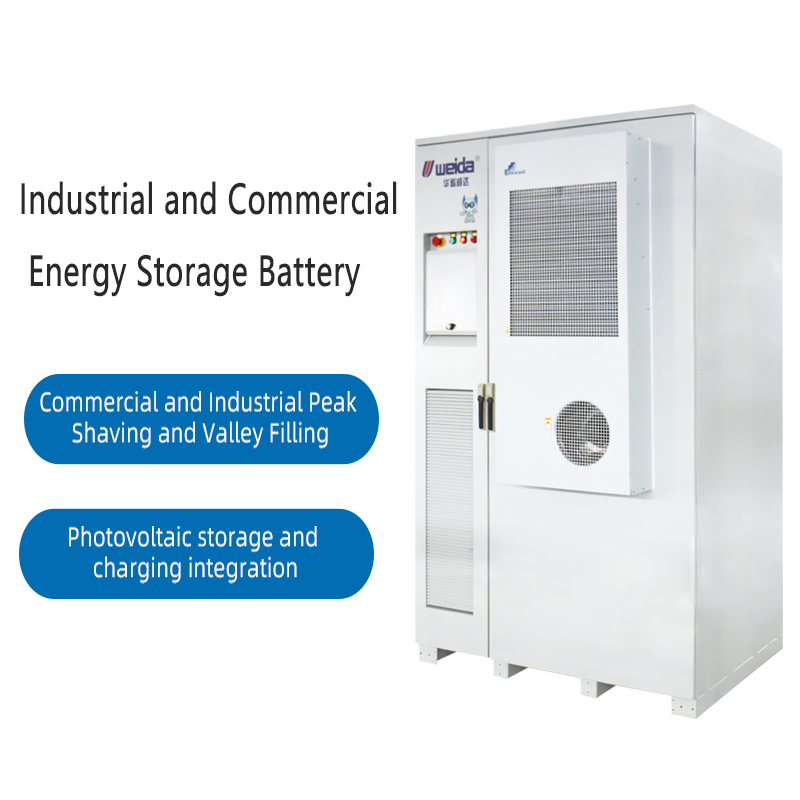
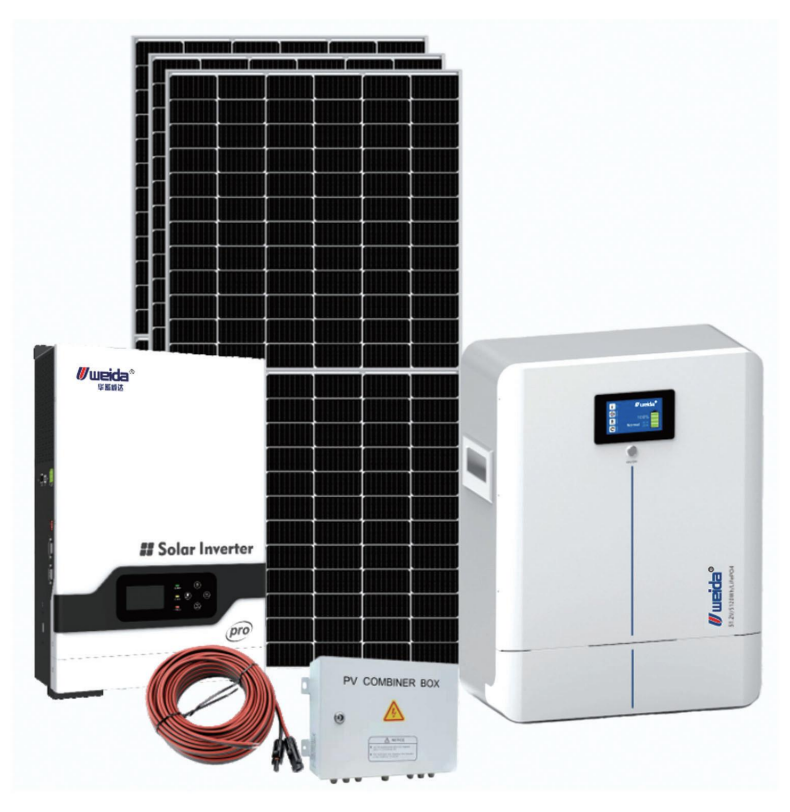
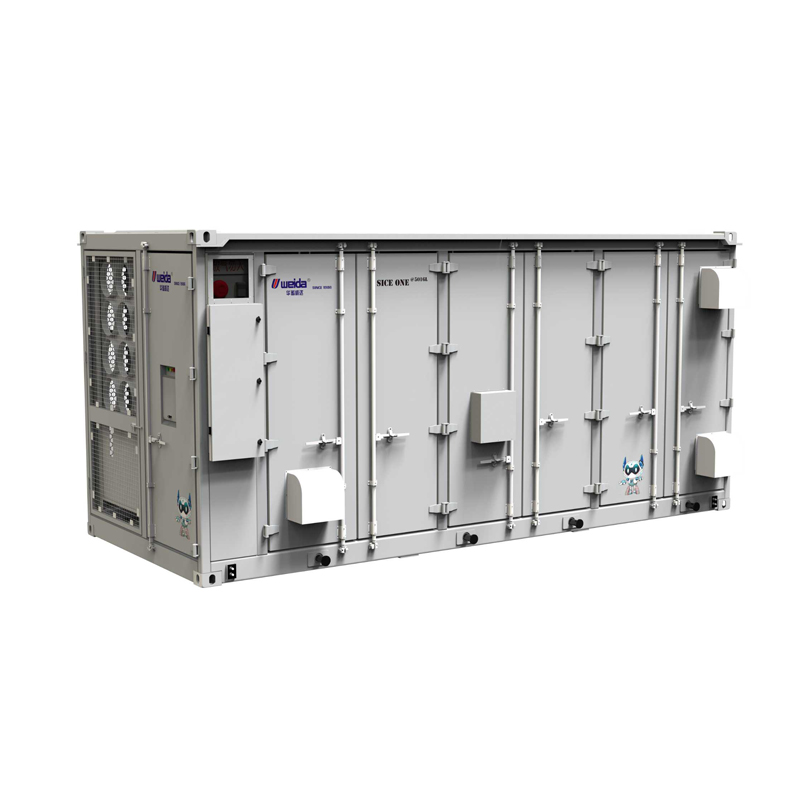
At its core, energy storage is like a high - tech “battery bank” for the power grid. It allows us to capture excess energy generated during periods of low demand (such as when the sun is shining brightly or the wind is blowing strong) and store it for use when energy consumption spikes or renewable sources are less active. Think of it as saving up energy for a rainy day, but on a much larger scale!
There are various types of energy storage technologies, each with its own unique features and applications. Lithium - ion batteries, the most commonly used in electric vehicles and small - scale energy storage systems, are known for their high energy density and relatively long cycle life. Flow batteries, on the other hand, are ideal for large - scale, long - duration energy storage, thanks to their ability to store and discharge energy for extended periods. Compressed air energy storage works by compressing air and storing it in underground caverns or tanks; when needed, the compressed air is released to drive a turbine and generate electricity. And thermal energy storage systems, like the innovative project in Masdar City, UAE, store energy in the form of heat and convert it back to electricity when required.
Global Trends: Where the Energy Storage Industry is Heading
2025-07-03
More