News

  • Your household electricity bill is being rewritten by energy storage
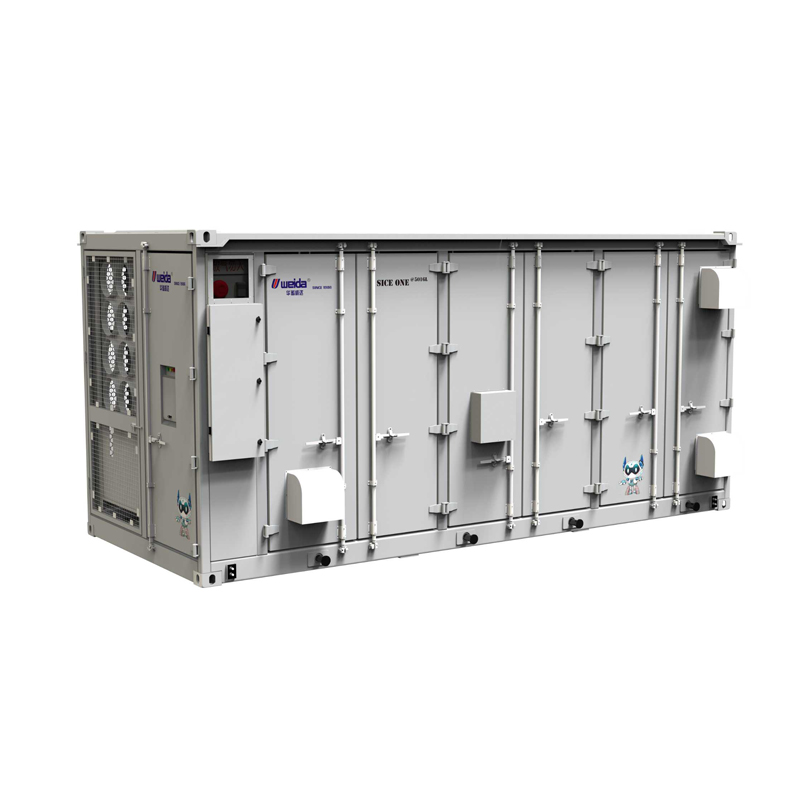
    Historically shunned for its “high cost, low efficiency, and vulnerability to high temperatures”, energy storage has been revolutionised by “large-capacity, large-string, liquid-cooled” technologies: Battery cells have grown: much like mobile phone batteries upgrading from 1000mAh to 5000mAh, energy storage cells have leapt from 320Ah to 587Ah. This has reduced the size of 20-foot container battery modules by 35% and slashed costs by 20%. HaiCheng Energy Storage's 1175Ah cell achieved a 48% increase in full-lifecycle energy output in a Saudi project, boosting the return on investment by 5 percentage points. Put simply, where 100kWh of storage once occupied half a garage, the same space now holds 125kWh at a 20% lower cost.
    2025-10-30
    More
  • Revolutionary Developments and Trends in the Global Energy Storage Industry
    The market demand for energy storage systems has been booming. In 2025, the global energy storage battery shipments are expected to exceed 500GWh. The growth is mainly driven by the rapid development of renewable energy sources such as solar and wind power. As more countries aim to achieve carbon neutrality goals, the need for efficient energy storage to balance the intermittent power generation of renewables has become crucial. However, the industry is also facing supply - chain challenges. The international trade situation is complex, with some countries imposing tariffs and trade restrictions on energy storage products. For example, in April 2025, the Trump administration in the United States implemented a "tariff war" on a global scale, with a 114.9% tariff on Chinese - made energy storage lithium - ion batteries exported to the US. This has forced enterprises to re - evaluate their supply - chain strategies and seek alternative solutions, such as localizing production in target markets.
    2025-09-11
    More
  • What Is Energy Storage, and Why It Matters for Your Daily Life? A Simple Guide
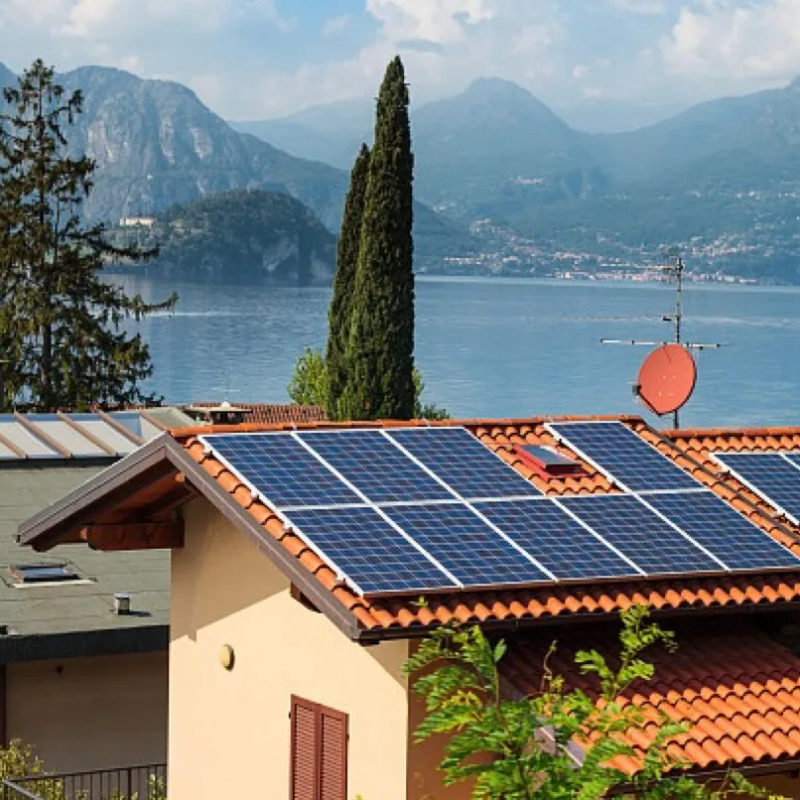
    Think of an energy storage system as a “smart battery on steroids”—but it’s not just for phones or laptops. It’s a device that captures extra energy when it’s cheap or abundant (like midday solar power, or late-night off-peak electricity) and saves it to use later, when energy is expensive or hard to get (like evening rush hour, or during a blackout).
    2025-09-04
    More
  • The Energy Storage Industry's Major Transformation: From “Fierce Internal Competition” to Collaborating Against It—Where Is the Future Headed?
    The direct consequence of overcapacity is a fierce price war. The average bid price for lithium-ion energy storage systems has plummeted like a slide, dropping repeatedly. In 2024, the year-on-year decline reached 47.82%, and this trend continued in the first half of 2025, with another year-on-year decline of 29.94%. In this price war, companies are willing to go to great lengths to compete for a limited market share, with some even offering cell prices below 0.4 yuan/Wh. Wh, akin to a war without smoke, with companies battling fiercely, severely compressing profit margins. The industry's average profit margin dropped from 15% in 2022 to less than 5%, leaving many companies struggling to survive.
    2025-08-26
    More
  • The Rise of Energy Storage: A Fun and Fascinating Journey into the Future of Power
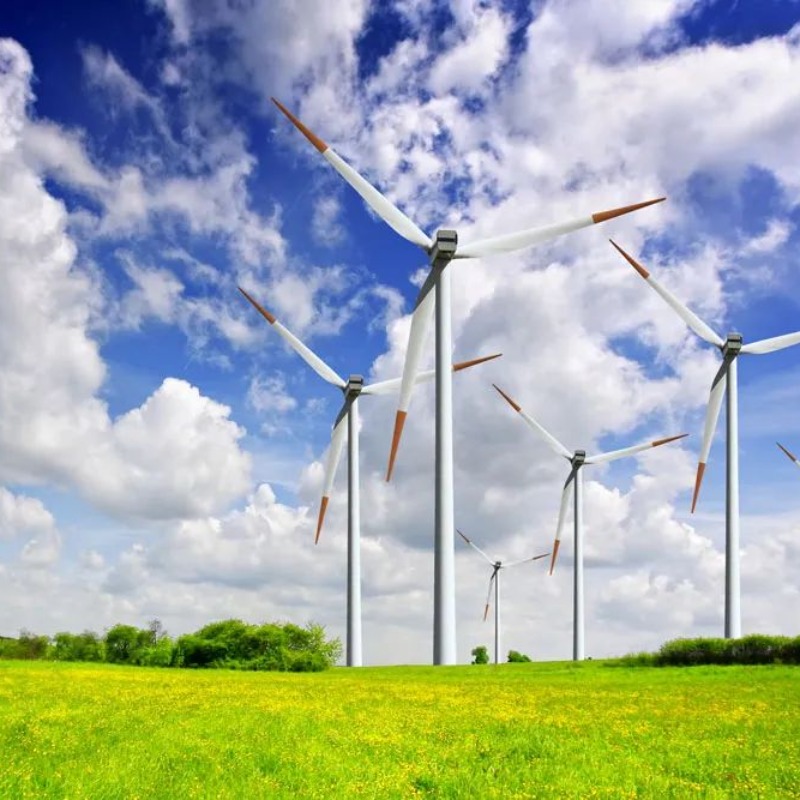
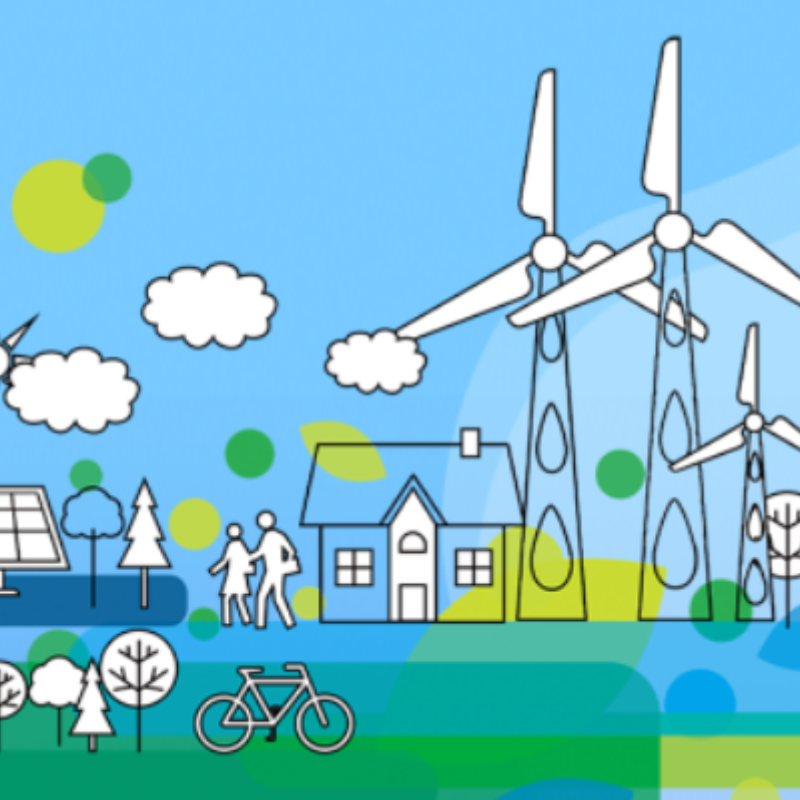
    Imagine a world where the sun doesn’t shine, and the wind doesn’t blow. How do we keep the lights on? This is where energy storage steps in as the superhero of the energy world. It captures excess energy from renewable sources like solar and wind and stores it for those moments when nature takes a break. Think of it as a giant, eco-friendly power bank for the planet!
    2025-08-19
    More
  • Energy Storage Industry: The “Super Power Bank” Lighting Up the Future of Energy
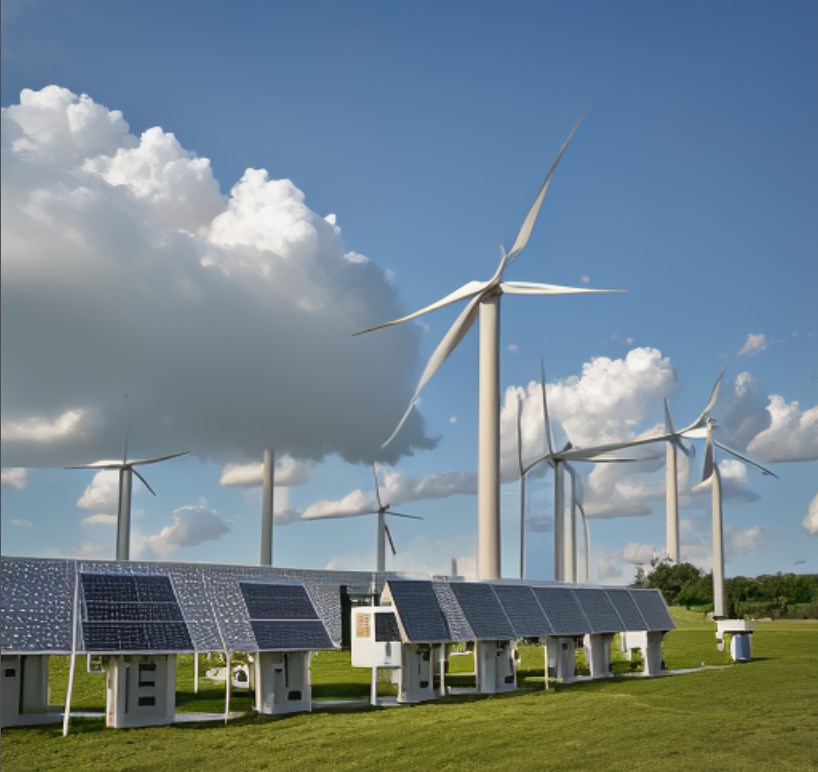
    Energy storage technology, in simple terms, involves storing electrical energy, thermal energy, or other forms of energy for release when needed. Doesn't that sound a bit like a Swiss Army knife? It is powerful, versatile, and capable of solving many complex problems. For example, in wind power and solar power generation, the intermittent nature of wind and sunlight results in fluctuating power output. Energy storage systems act as a “buffer,” storing excess electricity and releasing it when power is insufficient, ensuring the stable operation of the power grid.
    2025-08-06
    More

Get the latest price? We will reply as soon as possible (within 12 hours)